
As for drinking more generally, having the occasional social drink is usually nothing to be concerned about. However, if you find yourself drinking why does alcohol make you hot often enough that sweating from alcohol is a common issue, it may be worth cutting back on how much you consume. Unless it is a symptom of alcohol withdrawal, sweating when you drink is more of an annoyance than a serious problem. In other words, alcohol tends to move heat to the perimeter of your body—making you feel warmer, while the core of your body is actually cooling down. Due to the hangover inducing a fight-or-flight response, hot flashes may occur while you are drunk and feeling hungover.
Alcoholic Face: How to Spot It + Reverse the Damage

This happens when your blood alcohol concentration levels return to normal. Usually, when you haven’t consumed alcohol, these hot flushes are your body’s signal to cool down. As a result, during a hangover this can cause abnormal changes to your thermoregulatory mechanisms. However, while whiskey may be able to provide some temporary relief from specific cold symptoms, it’s generally not wise to consume alcohol while sick.
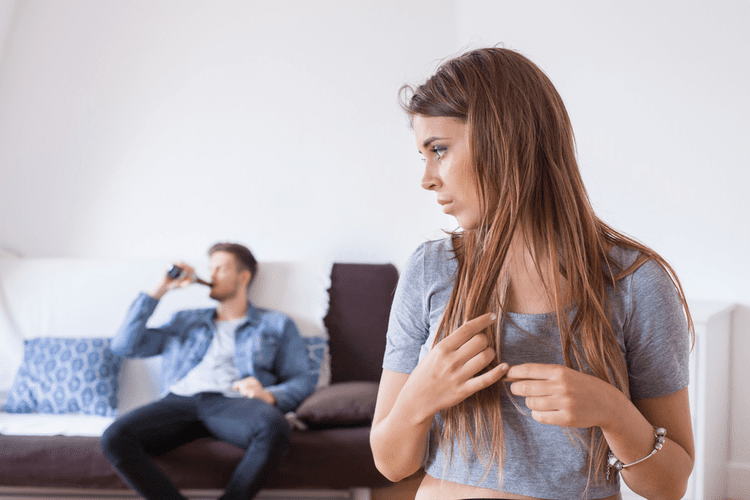
Why does alcohol make me feel warm even in cold environments?
As the alcohol education charity Drinkaware Trust6 warns, the combination of alcohol and very cold weather can be dangerous and even lethal. “By flushing and sweating you are delivering more heat to the skin and thereby increasing heat loss from the ‘core’ of the body to the environment.” Your body temperature control (thermoregulation), is affected when you consume alcohol.
our Brain Doesn’t Function As Well
- The exact cause of hot feet when drinking alcohol is not known, however it is thought that the alcohol increases the temperature in the body, causing the feet to heat up.
- One of the most important steps is to stay hydrated by drinking plenty of water before, during, and after drinking alcohol.
- This sensitivity, combined with alcohol’s effects, can heighten the overall feeling of heat when drinking red wine.
- When an alcohol flush happens, your face, neck and upper chest become warm and pink or red.
They can be a side effect of taking certain medications or menopause. Autoimmune diseases, cancer https://benessestore.com.br/26-tips-to-rebuild-your-life-after-addiction/ (such as lymphoma), and infections can also trigger severe night sweats. Sometimes mild night sweats do not have an underlying cause and are nothing to worry about.
When your liver isn’t working as it should, it can cause high levels of this substance. You can get rid of puffy face from alcohol by drinking water, getting plenty of rest, and applying a cold compress to puffy areas. The thing is, even moderate alcohol consumption can affect your face.
It can be dangerous to drink alcohol in a hot tub and you should not get drunk. When our body gets too hot, it uses sweat to regulate our internal temperature. So already heated water combined with dilated blood cells from the alcohol you have a potentially dangerous situation.
Debra Waters is an experienced online editor and lifestyle writer with a focus on health, wellbeing, food and parenting. Previously, Debra was digital food editor at delicious magazine and MSN. She’s written for Everyday Health, Great British Chefs, loveFOOD, M&S Food, Time Out, The Big Issue, The Telegraph, What to Expect, Woman and Woman’s Own. The link between menopause and anxiety is an established one too, with symptoms commonly emerging as levels of progesterone and oestrogen decline. ” You’ve likely heard this advice (or something similar), but it’s one of the many alcohol myths you shouldn’t let fool you. The duration of alcohol-induced hot flashes can vary, but they generally last for a short period, typically a few minutes to an hour.
General Health
Revitalize your body with Zaca, the chewable to help with recovery and hydration. Unleash the power of Hovenia Dulcis, a natural ingredient renowned for its restorative properties that are popular with drinking. This cherished herb and others such as glutathione are in Zaca’s proprietary blend so you can be ready to conquer the day. Conveniently offered in portable packets, take 2-4 chewables before bed or when needed most. Just like the symptoms of a hangover fever, the chills after drinking is a common one. The hypothalamus (a region of the brain) is responsible for controlling alcoholism treatment the nervous system and body temperature.
Health Categories to Explore
- In fact, it can be dangerous to rely on alcohol for warmth in cold weather.
- Alcohol can cause your blood sugar levels to drop, according to a study published in Biomolecules in 2015.
- It is important to understand why this happens so that it can be avoided or managed.
- This can mean releasing needed heat through sweating, and even blocking shivering when it’s cold, making it harder to warm up.
- Other foods that are rich in L-cysteine include poultry, beef, and whole grains.
- Such home remedies may include staying hydrated and keeping the bedroom at a comfortable temperature.
This phenomenon is a result of the impact alcohol has on our blood vessels and our body’s ability to regulate temperature. That way you can still enjoy some drinks, but also give your liver a bit of a rest. If we had to narrow down one cause for why alcohol makes you hot, it would be alcohol induced flushing reaction (or ‘Alcohol Flush’ for short). As always, it’s also important to drink in moderation and avoid binge drinking, which could make the health risks even more likely. While a red, sweaty face may be harmless for some, it can signal potential Asian flush and health issues for others. There are also some simple ways to find relief such as helping metabolise alcohol and acetaldehyde faster with over the counter supplements.